The 'Couv'

The 'Couv'

Thursday, July 31, 2014

Calculating a Comfortable Retirement

This time I would like to quote an article from Time Magazine about how to calculate your number. The answer to the question, "How much money do you need to retire comfortably"? There are many variables to determining retirement needs and this certainly cannot replace the good counsel of a professional financial planner. But at best it should awaken you to the cold hard realities of retirement.

Excepted from Time magazine

"To help guide you to your number, financial firms have devised income and actuarial models that come up with a target multiple of your final year’s salary. Benefits consultant Aon Hewitt says that by age 65 an average full-career worker needs to have banked 11 times annual pay. That means a household earning $75,000 a year would need to have saved $825,000. Work to age 67 and the multiple drops to 9.4 ($705,000); retire at age 62 and the multiple rises to 13.5 ($1 million).

The fund company T. Rowe Price advises a multiple of 12 times final pay, while Fidelity calculates that a multiple of eight times pay will do the trick. All the firms use slightly different assumptions. But you can see that they are in the same ballpark and, more importantly, that it’s a big park.

Looking at it another way, BTN Research estimates that, assuming 5% average annual investment returns, for every $1,000 of monthly income you want over a 30-year retirement, you need $269,000 in the bank. Let’s consider that same household making $75,000 a year. To replace the commonly recommended 80% of income in retirement — or $60,000 in this case — the household would need $5,000 a month. In this calculation, this household’s number is $1.35 million, or 18 times final pay. A higher investment return would bring the numbers down.

Finally, there is the approach that Dallas Salisbury, president of the Employee Benefit Research Institute offers: You need 33 times what you expect to spend in your first year of retirement—after subtracting Social Security benefits. Let’s take that same household, which spends every penny of its $60,000 income in retirement. Say this household collects $20,000 a year in Social Security. That leaves it spending $40,000 from other sources. So this household still needs a nest egg of $1.32 million, or just shy of 18 times final pay.

Don’t be discouraged. These are just estimates. A household with two good traditional pensions plus Social Security, and zero savings, might be in fine shape while a household with $1 million in the bank and no guaranteed lifetime income ends up struggling. That’s why your spending–not your savings–may be the most important part of the equation.

Basing your number on final pay has another flaw. What if you are frugal and live on far less than you earn? The household that earns $75,000 a year but saves 20% and thus spends only $60,000 need not squirrel away as much as a household earning $60,000 a year but which through credit spends $75,000. The latter household, by the way, is headed for real trouble — and, sadly, this situation is not uncommon.

(MORE: Etsy’s Handmade Wars)

What you spend determines your nest egg needs. “In retirement, the key is to make sure your burn is less than your earn,” says John Sweeney, executive vice president of planning and advisory services at Fidelity. Everyone’s situation is different, which is why you need to think through your own case.

An array of online calculators can help you sort this out. Some key considerations:
Life expectancy The Society of Actuaries estimates that for a married 65-year-old couple, there is a 45% chance of one person reaching 90 and a 20% chance one will reach 95. Plan for a long life.
Medical costs EBRI estimates that a 65-year-old couple in 2019 that does not have any employer-provided health benefits will need $450,000 to have a 50% chance of funding health care expenses not covered by Medicare. Even with employer benefits, there is a 50% chance that out-of-pocket expenses will reach $268,000. Plan for this big expense.
Inflation Over 30 years, expect inflation to cut your spending power in half. You would need nearly $12,000 today to match the spending power of $5,000 in 1982.
Investment style You may never reach your number if you hide from stocks. Bond yields and short-term interest rates are so low that, adjusted for inflation, you may get little or no growth for years.
Savings rate A good rule of thumb is saving 15% of income each year throughout your working life. That puts you on track to replace about 85% of your final year’s salary for 30 years of retirement without worrying about some gigantic number. If you have not been saving at that rate, you may need to adjust your savings plan or your retirement expectations.

Most planners will tell you that there is no magic number, and they are right. Life has a way of throwing curveballs when you least expect them and there are so many unknowables like how long you will live and what the markets will do that you need to reassess your plan often as you approach retirement—while you still have time to change your savings patterns and choose to work longer if you must.

So what can you do now?

Start with a list of all your monthly expenses. Go through it looking for areas that you can or will reduce in retirement. Now consider any new expenses like escalating health care costs and travel and hobbies. Identify which of these is a fixed cost and which is discretionary. You’ll need a big enough number to secure an income stream that covers all fixed costs. This is your base number, the lowest one that you should consider acceptable."

Thursday, July 17, 2014

How Important is Weather to Retirees?

Weather certainly plays a significant role in determining a location to move when one decides to retire. This is quite evident when looking at places like Southern California, Arizona, Las Vegas and Florida with their huge population of people in the over 55 crowd. But how important really is weather? I have spent a fair amount of time trying to get to the bottom of it and the results thus far are quite interesting, but not really surprising.

People who spent the bulk of their lives in places like New England and the Upper Mid-west seem to have the highest desire to retire in the sun-belt. That seems like the classic, "no-brainer". People from these areas have lived through what I called "Kill-U-Cold" winters and often faced snow and ice covered roads for months on end. So when perusing the forums and reading comments I find these folks be the ones saying things like; "I'm not shoveling snow anymore" or "I'm through being cold".

When I looked at the comments and postings from people in more mild climates the weather suddenly fell way down on the list of things that make a community desirable. Suddenly it was more about taxes, activities, proximity to family, etc. These folks talked about weather without the same demanding tone. It's more about the extremes than really. They don't want "Kill-U-Cold", but a little snow and rain isn't a deal breaker for them.

This may explain why I keep finding communities in Washington State falling onto "top ten best" lists for retirees. The latest one I found was "Top Ten Best Beach Communities". It appeared as a link form a retirement oriented lifestyle blog. Port Townsend, Washington made the list. There are no palm trees in Port Townsend and you won't likely have to worry about heatstroke... ever. Yet there it is; a top destination for retirees looking for a beach/waterfront experience. Port Townsend isn't even on the Pacific Ocean, it actually fronts the Puget Sound. It is a great town however.

A few posts back I listed general climate information for a variety of locations in Washington State. Take a look at them here.

In my experience as a Realtor®, I find that there are two overriding things that bring retirement age people to Washington State. Proximity to family and taxation. This is somewhat anecdotal but I think it holds true to reality. Washington State is not only a great place to retire, but it is a wonderful place to raise a family. Our schools are highly rated and our state constitution has some of the strongest pro-schools language in the nation. Washington has also weathered the roller coaster economy better than most areas in the country. This brings families to the the state and many retirees want to be close to those adorable little grandchildren. I have blathered on a great deal about taxes so by now you know that we stand strong in that arena for retirees. See more info in this post.

There is a third interesting anecdote I find recurring; many people who come here from California cite a desire to experience four seasons. Most Californians only have two season and many have only one. These folks don't want to live in the bitter cold winters, but they have suggested they feel like they are missing out on the four season experience. I can relate to that as I like having four distinct seasons. I actually wish Vancouver got a little more snow each year.

There are many reasons to move to Washington no matter what stage in life you are at.

Thursday, July 3, 2014

Washington's Retirement Rep is Getting Stronger

Ten years ago the popular Trilogy adult communities built by Shea Homes had but one subdivision in Washington state and that was in the expensive Redmond area. Now Shea has two more subdivisions in Lacey and Bonney Lake to keep up with demand here in the Evergreen State. They have as many here as they do in Arizona and more than Florida!

Yes, it seems our "rep" is growing and many retirees are flocking to the tax friendly communities in the state named after our first president. Below is a link to a recent affirmation that Washington is a premium destination for the Baby Boomer looking to settle down.

http://www.topretirements.com/state/washington.html


Thursday, June 19, 2014

What about Condos?

Many retirees are looking for a smaller home and one with less maintenance. It is hard to get a house with less "maintenance" than a condominium. A condo differs from other forms of real property in that the owner has title to the interior space in fee simple (absolute sole ownership) and holds title to the whole complex with all other owners as tenants in common. By owning only the interior space, the owner need only keep that interior up. Should any problems occur with the structure such as the roof or the siding, he simply turns that over to the local HOA to deal with.

The HOA is the blessing and the curse of a condo. Yes it is this entity that keeps the roof and siding good, pays to maintain the grounds, parking, etc. But this HOA organization also must be responsible to provide these services. It must be run well. Furthermore, some HOAs can be very "gestapo" about rules and regulations.

Condo living is not for everyone. It is however great for many retirees that want a nice place to live and time to enjoy life outside of their home! The less time you have to work on your house, the more time you have for exciting and fun activities. Condos also often have amenities like a pool or work out area. For the modern retiree many condo complexes are designed for senior living with recreational activities that bring opportunity to socialize.

If a condo is something you might be interested in there are a few things to consider. First is the HOA; make sure it is well funded and managed. HOAs are required by law in most states to keep and provide for prospective buyers and existing owners a balance sheet and projections. Understand that you as an owner will have no discretion over the exterior of the building other than your HOA member vote. Talk to existing tenants to see if there are any annoying HOA-isms that might bother you in the future. If you have a pet or a boat or several cars, be certain the facility can accommodate your needs. Pets are sometimes limited in size or quantity in an HOA environment. Make sure the HOA dues are manageable in your budget. if you are borrowing to purchase the bank will qualify you including the HOA payment. This will lower the available funds you have to borrow.

There are some great condos out there and right now they are one of the few remaining values in the market place. Condos have yet to spike back up in price. The next year or so could prove to be the last of the screaming condo deals. If the care-free living style afforded by condos is your cup of tea then now is the time to act.

Wednesday, June 4, 2014

Retiring? Want a real winter but hate shoveling?

Real estate tends to perk up this time of year. The sun is shining, the sky is blue, and the temperature is warm. It is easy to get sucked into the greatest summer weather on this planet. But what about winter? Many retirees would love to have a little winter but hate the idea of shoveling snow. Here in Washington State we have options for your winter wonderland. There are places in the Evergreen State like Mount Baker, that have snow so heavy it rivals anywhere in the world. Fortunately those are places people visit rather than live. East of the Cascade Mountains delivers sunnier weather that is warmer in the summer and colder in the winter than this side here in the west. There are many areas that offer an in-between winter experience.

Here in America's Vancouver we have a very mild winter. It gets chilly but rarely gets truly cold. Heavy snow is a twice a decade event and light snow is sporadic every year throughout the winter from late November to early March. Not much shoveling here. As you move up in elevation so your shovel moves up in usage. Those gorgeous view homes up above 1000 feet will see on average double the snowfall down in the city. Move up another 1000 and it's triple.

West of the Cascades you will find the legendary Pacific Northwest clouds and showers. East of the Cascades is California Dry.

East of those mighty Cascade mountains the mercury will plunge down below zero at times and they tend to stay cold from December through February. The good news over there is that those same mountains that block the warm moist air of the Pacific Ocean also block allot of the clouds. Precipitaion on the eastside is dry, dry, dry. So it does snow often but in small doses. Again places like Ellensburg and the Tri-Cities don't have a heavy snow shovel workout.

Spokane will give you a healthy dose of snow with nearly 4 feet falling annually and that rivals Minneapolis. Spokane is not quite as bitter cold as Minnesota and has a shorter winter. If you hate the shovel stay out of the far eastern part of the state.

In case you are looking around in Washington State I have all these little charts for you to consider regarding snowfall and temps. Data was collected from the Western Climate Data Center.


Thursday, May 22, 2014

Reverse Mortgage Purchase a Viable Option

The Reverse Mortgage has been around for quite awhile but many people are unaware that the FHA has made them very viable and affordable in recent years. Early reverse mortgages were burdened with outrageously high fees that made them a poor option for nearly everyone. The feds however cracked down on the less desirable practices and the result is a fabulous opportunity to get paid for living in your own house.

The ideal situation for a reverse mortgage for the retiree looking to downsize that giant house that the kids were raised in. Let's say a homeowner is 62 years old and lives in a house that is worth $300,000 and has a debt owed of $150,000. That homeowner can sell the house and walk with roughly $130,000 in cash. Options include buying a smaller house valued at say $225,000 and putting $100,000 down and making a small payment for the next 30 years which is likely the rest of his life.

What if he were to take that $130,000 profit and put it down on a reverse mortgage for a nice smaller but upscale home valued at $260,000. Now that homeowner has a nicer home say in Fairway Village and instead of making payments to the bank the he lives in the house free of charge until he dies. Each month interest is added to the principle balance.

After the reverse mortgage is over the bank will sell the home. If the home clears more money than is owed after the owner dies, his estate will receive the remaining proceeds. If the balance owed is higher than the proceeds the bank takes that as a loss and no action is due on the part of the heirs.

These programs are not for everyone, but for many they are ideal. Any person nearing the age of 62 should sit down with a qualified reverse mortgage professional and take a look at the options. Although the cost of doing a reverse mortgage is much better than it used to be, they are still a bit more expensive than a traditional loan.

I have seen many happy folks retire right here in the great state of Washington with a reverse mortgage and cash to spend on the things you are supposed to do when you retire. Relax, travel and have fun!

Thursday, May 8, 2014

Will You Have Enough to Retire?

This blog talks allot about the joys of retiring to the wonderful state of Washington. But will you have enough to retire at all? Their are alarming reports that nearly half of all middle income earners will retire poor. This makes the low taxation of retirees in Washington less of an advantage.

Retirees should consider value opportunities if their retirement is going to rely heavy on Social Security and part time work. Washington State does offer some great values at the coast and even in close to the metro area here in Vancouver. Check out my beach information here.

The general rule has been that you need about 20 times your annual income at age 62 in order to maintain your lifestyle throughout retirement. Most middle income earners don't have even one year's income in their retirement account.

Many will choose to work longer, maybe until they are 70 years old. Yikes that may or may not work out. Planning for retirement is very important. I wrote a book about finance and I am not adequately prepared for my own retirement which in theory looms menacingly close to the now.

Downsizing your current home before you retire could be a great way to stockpile money for your actual retirement. If you are 50 years old and already in the empty nest mode, perhaps a major home downsize now is in order. The real estate market is showing a resurgence locally in that "big move up" house market. This could be an opportunity to take advantage if you already live locally or if these conditions exist where you live now.

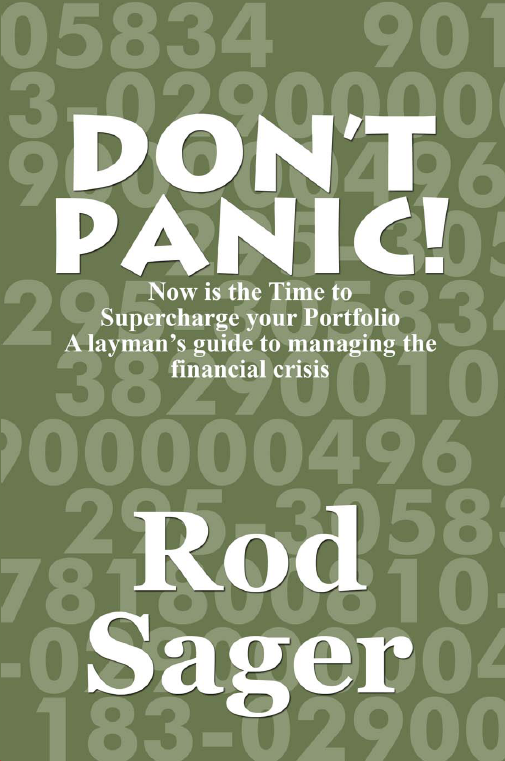
Washington State is a great place to retire, but you still have to be prepared. Check out my book "Don't Panic" on Amazon.com.